
Risk Assessments
St Martins Karate Carnforth risk assessments identify potential hazards and the measures we use to help keep members, volunteers and visitors safe.
How we manage risk
St Martins Karate Group assesses reasonably foreseeable hazards and puts appropriate controls in place to reduce the likelihood of harm.
The lead instructor present is responsible for confirming that the venue, equipment and planned activities are safe before each session. Activities will be modified, suspended or cancelled where risks cannot be controlled appropriately.
Risk assessments are reviewed:
Our regular training venue
St Martins Karate Carnforth trains at:
Carnforth Civic Hall
North Road
Carnforth
LA5 9LJ
St Martins Karate Carnforth trains here on Fridays.
Before and during each session, instructors monitor the hall, equipment and activities to ensure that risks remain suitably controlled.
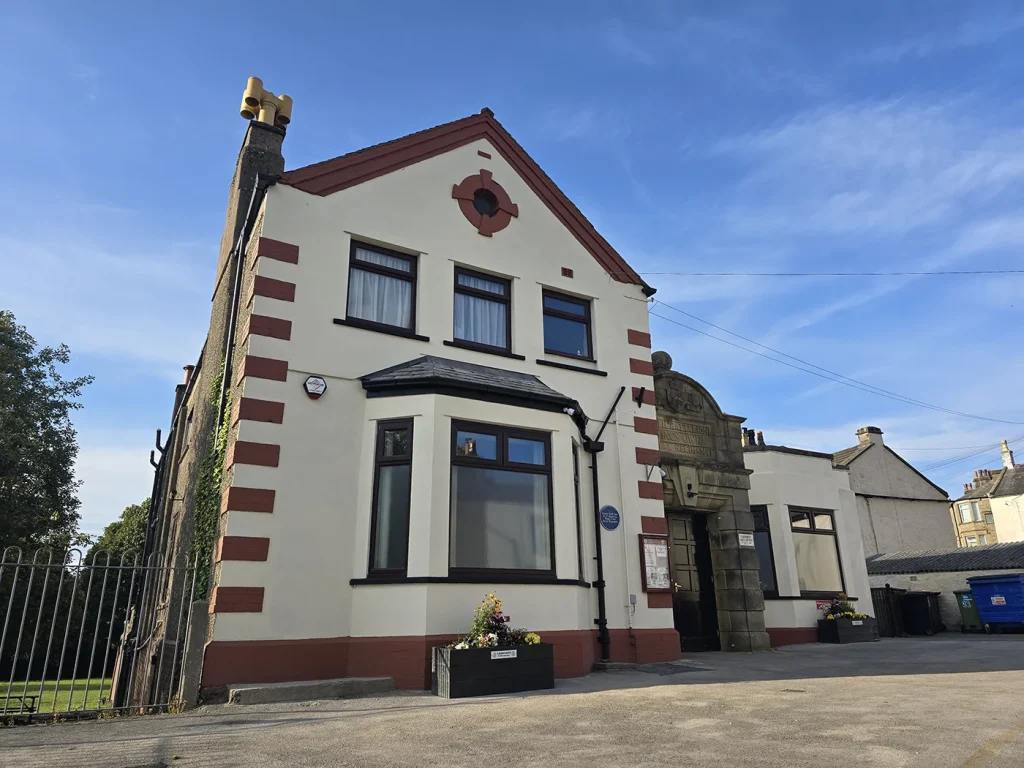
Carnforth Civic Hall
The venue assessment covers the main risks associated with regular training at the hall.
Training space and floor
- The lead instructor checks the floor before class.
- Tables and chairs are kept together in one corner, outside the training area, with walkways and exits kept clear.
- Walkways and emergency exits are kept clear.
- Wet, damaged or unsafe areas are cordoned off.
- Training is modified, relocated or cancelled if the floor cannot be made safe.
- Mats are used for takedowns, grappling and groundwork, and for any activity where planned falls are involved.
- Mats are checked before use to make sure they are joined securely, free from gaps and positioned with suitable clearance from hard surfaces.
- Activities are matched to each member’s age, grade, experience and breakfall ability.
Stage and heating pipes
- The stage is reserved for parents and carers who are watching.
- Children and other participants are not permitted to climb onto or play on the stage.
- Activities are positioned away from the hot cast-iron heating pipes wherever practical.
- Younger children are monitored closely around the stage and pipes.
Exits and evacuation
- The two main entrances act as emergency exits.
- Exit routes must remain clear throughout the session.
- In an evacuation, everyone should leave the building and assemble in the main car park.
- Anyone requiring assistance to evacuate should tell an instructor so an individual arrangement can be agreed.
Shared-building arrangements
The main hall may not always be the only part of the building in use.
- Unexpected visitors are monitored and challenged where appropriate.
- Anyone without a genuine reason to be present may be asked to leave.
- Toilet access is managed carefully when other groups are using the building.
- Concerns are reported to the venue management and safeguarding team where necessary.
Shared-building arrangements
- Male, female and accessible toilets are available.
- The accessible toilet may be used as a lockable, single-person changing space.
- Most members are encouraged to arrive already wearing their training clothing.
- Adults do not supervise children inside a closed toilet or changing space.
- The club’s safeguarding and Practical Guidance arrangements apply.
Arrival and collection
- Most parking is on-street, so parents and carers should take particular care with roadside safety when dropping off or collecting members.
- Parents and carers are responsible for making suitable arrangements for their child to travel to and from training.
- Children may leave independently where prior written permission has been provided by a parent or carer.
- Members leaving independently must tell an instructor before they leave.
- Where a child is being collected, the club must be told if someone different will be collecting them.
- The club may require collection where illness, injury, severe weather, darkness, a safeguarding concern or another circumstance makes independent departure unsuitable.
- Unusual or late collection arrangements are managed through the club’s safeguarding procedures.
First aid and emergencies
- The nearest publicly accessible AED is located at Carnforth Community Primary School and is accessible 24/7.
- In a medical emergency, call 999 and follow the instructions given by the emergency services.
- A first-aid kit is available at the hall during training.
- Instructors carry mobile phones so emergency services can be contacted if required.
- First-aid equipment and emergency arrangements are checked regularly.
Temperature, ventilation and storage
- Heating and ventilation are adjusted according to conditions.
- Activity intensity, breaks and hydration are adjusted where necessary.
- Mats are brought from the downstairs cellar under instructor supervision and checked before use.
- Equipment must not be left in walkways or near emergency exits.
Karate activities and safe practice
The activity assessment applies to normal club-organised karate training.
Warm-up, fatigue and hydration
- Sessions begin with an appropriate warm-up and progressive activity.
- Intensity is adjusted for age, ability, experience, health and fitness.
- Members may ask for a break, adjustment or permission to stop.
- Longer sessions and camps include planned rest, hydration and meal breaks.
Strikes, kicks and partner work
- Techniques are taught progressively and with control.
- Partners are matched with regard to age, size, grade, experience and confidence.
- Drills are stopped where control, behaviour or confidence is inadequate.
- Members must stop immediately when instructed or when a partner taps or asks to stop.
Sparring
- Sparring is supervised by an instructor or adult assistant instructor.
- Appropriate gloves, gum shields and other protective equipment are used.
- Head guards are required where club policy applies.
- Contact levels are matched to ability and experience.
- Sparring does not take place without suitable equipment and competent supervision.
Head injury and suspected concussion
Any suspected concussion means:
- immediate removal from training for the rest of the day;
- continued supervision;
- informing the parent or carer;
- seeking appropriate medical advice;
- no same-day return to training.
A gradual return should begin with normal daily activity, followed by light non-contact training, harder non-contact training, controlled partner work and contact activity last. Training must stop if symptoms return.
Throws, takedowns and groundwork
- Mats are used for repetitive falls and groundwork.
- Instructors consider age, size, experience and breakfall ability.
- Locks and takedowns are taught progressively.
- Activity stops immediately when a member taps or an instructor gives the instruction.
Equipment and weapons practice
- Training weapons are restricted according to age, grade, experience and instructor judgement.
- Equipment is inspected before use. Suitable spacing must be maintained.
- Rubber training knives are used for faster or less-experienced partner drills where appropriate.
- Reusable breaking boards are checked and used only in a clear area with suitable holders.
- Participation in breaking activities is optional.
Equipment and weapons practice
- Jewellery is removed or securely covered.
- Nails should be short and clean.
- Glasses are not worn during contact activity.
- Medical conditions, allergies and medication information must be kept up to date.
- Inhalers and emergency medication must remain accessible.
- Individual arrangements are developed where a medical condition or disability requires them.
Physical contact and hygiene
- Coaching contact is used only when necessary, proportionate and appropriate.
- Instructors should explain contact where practical and respect discomfort or refusal.
- Shared equipment is checked for cleanliness and disinfected where necessary.
- Damaged or contaminated equipment is repaired, quarantined or removed from use.
Safeguarding, supervision and collection
The safeguarding risk assessment applies to children, young people, adults at risk, parents, carers, instructors, assistants and visitors.
Key controls include:
- a private session must not take place with one instructor and one child;
- where only one child attends, a parent or carer must remain unless another authorised adult is present;
- under-18 assistants must never run a class or subgroup unsupervised;
- staffing and activities must be adjusted where supervision is insufficient;
- a child awaiting collection remains supervised and is never left alone;
- children may leave independently where prior written permission has been provided by a parent or carer;
- members leaving independently must tell an instructor before they leave;
- where a child is being collected, they are released only to a parent, carer or authorised collector;
- adults do not supervise children inside closed toilets or changing spaces; unexpected visitors are monitored and challenged;
- photography and video follow the club’s consent and Practical Guidance arrangements;
- bullying, harassment, discrimination and misuse of karate are addressed promptly;
- disclosures and safeguarding concerns are recorded and reported to the Designated Safeguarding Lead or Deputy without investigation or promises of secrecy.
Call 999 where someone is in immediate danger or urgent assistance is required.
Gradings, camps, seminars and visiting instructors
The club uses an event addendum alongside the relevant venue and activity assessments for significant events.
Additional controls may include:
- planning attendance and spectator numbers in advance;
- defining training, waiting and viewing areas; keeping exits clear;
- using sign-in and sign-out arrangements;
- scheduling rest, hydration and meal breaks;
- checking emergency contacts, medical information and medication arrangements;
- checking a visiting instructor’s identity, status, insurance and safeguarding information where appropriate;
- briefing visitors on club policies and emergency arrangements;
- confirming photography and consent arrangements;
- supervising children during breaks;
- recording the event lead and first aider;
- adding any event-specific risks or controls.
External competitions and trips
For competitions, demonstrations, seminars and trips away from the usual venue:
- parents and carers are normally responsible for transport unless club-organised travel has been agreed;
- any club-arranged transport requires appropriate drivers, vehicles, consent and supervision;
- attendance lists, emergency contacts, meeting points and headcounts are used;
- children know which adult is supervising them and where to report;
- the external organiser’s arrangements are checked where possible;
- St Martins Karate Group’s safeguarding rules continue to apply;
- instructors may withdraw a participant or the group where conditions are unsafe;
- suspected concussion means no further participation that day; relevant medical information and medication must remain available;
- photography and social-media rules continue to apply;
- children are released only to an authorised collector.
Before every session
Before training begins, the lead instructor checks that:
- the floor and training area are clean, dry and free from hazards;
- chairs, tables, trolleys and stored items are safely positioned;
- exits and evacuation routes are clear;
- door and visitor arrangements are appropriate;
- heating, ventilation and lighting are suitable; toilet and changing arrangements are safe;
- the first-aid kit and a mobile phone are available;
- the AED location is known; attendance, medical and collection information is available;
- the activity is suitable for the venue, staffing and participants;
- mats are correctly laid where required; pads, weapons, boards and protective equipment are safe;
- jewellery, nails, glasses and protective equipment have been checked before contact activity;
- any damage or venue issue has been controlled;
- any participant requiring an adjustment or evacuation support has an agreed arrangement.
When another assessment is needed
Additional risk assessments will be prepared where necessary, including for:
- club-organised transport or minibus use;
- overnight residential activities; outdoor training or public demonstrations;
- a large competition organised by the club;
- individual medical, disability, behavioural or evacuation needs;
- building work or temporary venue disruption;
- a communicable-disease outbreak;
- or a new high-risk activity or item of equipment.
Download the full Risk Assessment Pack
The complete St Martins Karate Group Risk Assessment Pack includes the detailed risk tables, venue assessments, activity controls, event addendum, pre-session checklist and action plan.
Reporting a hazard or concern
Members, parents, carers and visitors should tell an instructor promptly if they notice:
- damaged equipment;
- a wet or unsafe floor;
- a blocked exit;
- unsafe behaviour;
- an injury or near miss;
- an unexpected visitor;
- an unsuitable training activity;
- any other issue that may place someone at risk.
A safeguarding concern should be reported through the club’s safeguarding arrangements rather than dealt with as an ordinary venue or equipment issue.